
How Proper Base Installation Prevents Shifting Paver Walkways
Hiring local contractors skilled in proper base installation helps ensure paver walkways stay level and prevent shifting over time.
Understanding how proper base installation prevents shifting paver walkways is essential for property owners seeking durable and visually appealing outdoor spaces. When the foundation beneath pavers is correctly prepared, it provides a stable, even surface that resists movement caused by soil shifts, weather changes, or heavy foot traffic. This knowledge is especially valuable for those in the area who want to ensure their walkways remain level and safe over time, avoiding costly repairs or replacements down the line. Local contractors experienced in paver installation can assess site conditions and implement the right base techniques to help achieve long-lasting results.
For property owners exploring this topic, recognizing the importance of a well-constructed base can make a significant difference in the longevity of paver walkways. Proper base installation involves careful compaction and the use of suitable materials, which work together to prevent uneven settling and shifting. Engaging with skilled service providers who understand these principles can lead to a more resilient and attractive walkway that withstands the test of time. Keep reading to discover practical insights and how local experts can assist in creating a stable foundation for paver projects.
- Paver installation - homeowners planning a new walkway often seek local pros to ensure a stable base that prevents shifting over time.
- Driveway expansion - when adding a paved area, local contractors emphasize proper base preparation to avoid future movement and cracking.
- Patio construction - those installing outdoor living spaces look for experts who focus on a solid foundation to maintain level surfaces.
- Walkway repair - individuals addressing uneven or shifting pavers consult local service providers skilled in base stabilization techniques.
- Landscaping projects - property owners enhancing their yard with paved features rely on local pros to establish a base that resists shifting and maintains durability.

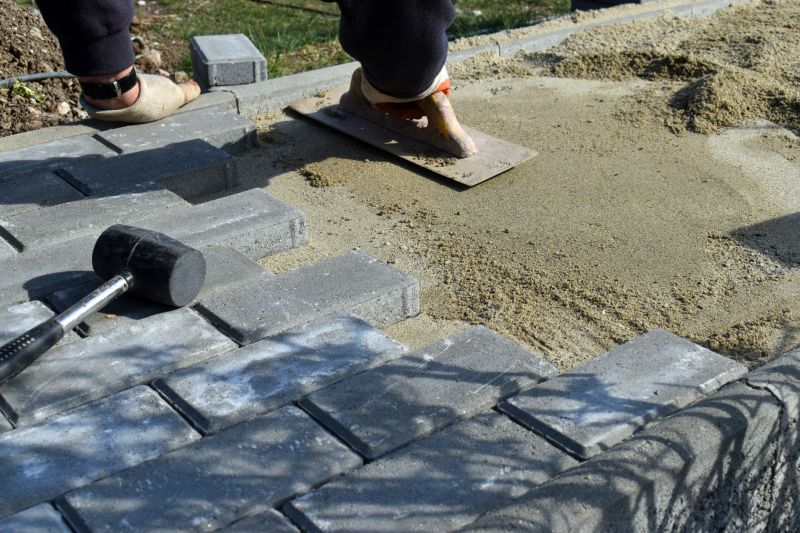
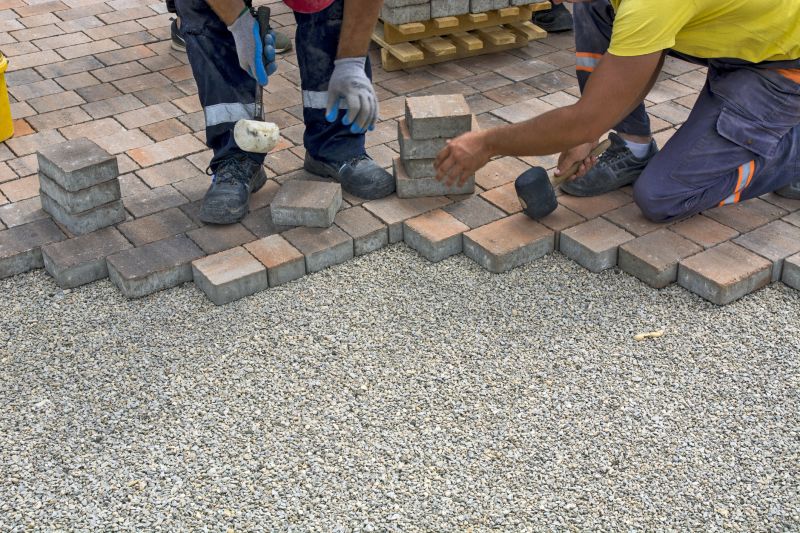
When homeowners search for information about how proper base installation prevents shifting paver walkways, they are often looking to understand why their existing pathways become uneven or unstable over time. This topic relates to common concerns about walkways that settle, crack, or shift after installation, especially in areas with varying weather conditions or soil types. Many property owners plan outdoor projects that include paver walkways for aesthetic appeal, accessibility, or increased property value, and they want to ensure these features remain durable and safe. Recognizing the importance of a solid foundation is key to avoiding costly repairs or replacements down the line, making this a central consideration when choosing a contractor or planning a new walkway.
The problems associated with shifting paver walkways typically stem from inadequate or improper base preparation during installation. When the base material isn’t properly compacted or the right type of material isn’t used, the pavers lack the stable support they need to stay in place. This can lead to uneven surfaces, loose pavers, or even tripping hazards. Many property owners are also concerned with long-term plans involving landscape modifications, heavy foot traffic, or even light vehicle use, all of which can exacerbate movement if the base isn’t correctly installed. Proper base installation is particularly relevant for properties built on clay, sandy, or uneven soils, where soil movement can be more pronounced without a stable foundation.
Properties that typically come up in discussions about paver walkways include residential homes, especially those with landscaped front or backyard paths, as well as commercial properties like storefronts or community centers. In residential settings, homeowners often want walkways that complement their outdoor design while remaining functional over time. For commercial or public spaces, durability and safety are top priorities, making proper base installation even more critical. Local contractors who specialize in paver installation understand how to adapt base materials and techniques to different property types and soil conditions, helping ensure the walkway remains level and secure regardless of the environment.
Proper base installation involves more than just laying down gravel or sand; it requires careful preparation, including selecting the right materials, ensuring proper compaction, and creating a stable, well-draining foundation. When local service providers follow best practices for base installation, they significantly reduce the risk of shifting paver walkways. This not only preserves the aesthetic appeal of the walkway but also minimizes future repair needs and safety concerns. Homeowners planning new walkways or repairs should seek out experienced local pros who understand how to create a solid base tailored to their property’s specific conditions. Doing so helps ensure the walkway stays level, stable, and long-lasting for years to come.
Retaining wall construction - involves planning and foundational work similar to paver base installation to ensure stability and prevent shifting over time.
Driveway paving projects - require proper base preparation to support weight and prevent movement, aligning with best practices for paver walkway stability.
Patio installation - depends on a solid base to maintain level surfaces and prevent shifting, making it a related skill for proper paver installation.
Landscape grading and leveling - involves preparing the ground to ensure proper drainage and stability, which complements the importance of a well-installed base for walkways.
Concrete slab pouring - requires a stable foundation to prevent cracking or shifting, similar to the foundational work needed for paver walkways.
Drainage system installation - ensures water flows away from paved areas, protecting the base and preventing shifting caused by water accumulation.
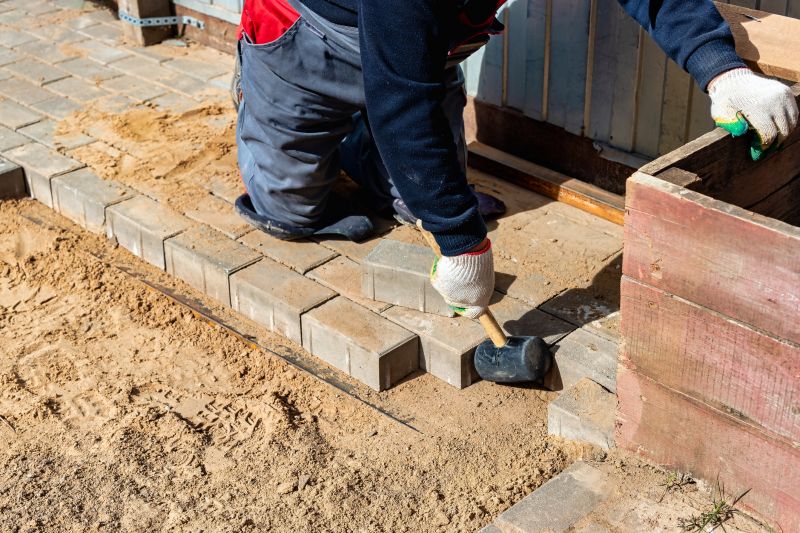
When evaluating service providers for paver installation, it is essential to consider their experience with similar projects, specifically those involving proper base installation to prevent shifting. An experienced contractor will have a clear understanding of the importance of preparing a stable foundation, including appropriate soil compaction and the use of quality base materials. This knowledge ensures that the walkway remains level and durable over time, reducing the risk of shifting or uneven surfaces. Homeowners should inquire about the contractor’s background with paver projects that emphasize proper base techniques to gauge their familiarity with best practices for long-lasting results.
Clear written expectations are crucial when comparing local contractors for paver installation services. A reputable provider should be able to explain their approach to base installation in straightforward terms, outlining the steps they take to ensure stability and prevent shifting. This transparency helps homeowners understand what is included in the scope of work and how the contractor plans to address potential challenges related to soil conditions or drainage. Having detailed, written expectations also serves as a reference point for any questions or concerns that may arise during the project, fostering a smoother process and reducing misunderstandings.
Reputable references and good communication are vital factors in selecting a reliable service provider. Contractors with a history of satisfied clients can often provide insights into their proficiency with proper base installation and how it contributes to the longevity of paver walkways. Additionally, effective communication allows homeowners to ask questions, clarify expectations, and receive updates throughout the project. Service providers who prioritize clear, consistent communication and can demonstrate a track record of successful projects are more likely to deliver results that meet expectations and ensure the pavers remain stable and properly installed over time.
Property owners often search for how proper base installation prevents shifting paver walkways when they are planning practical projects around their homes and businesses. Local pros provide Paver Installation services for everyday jobs and straightforward project options.
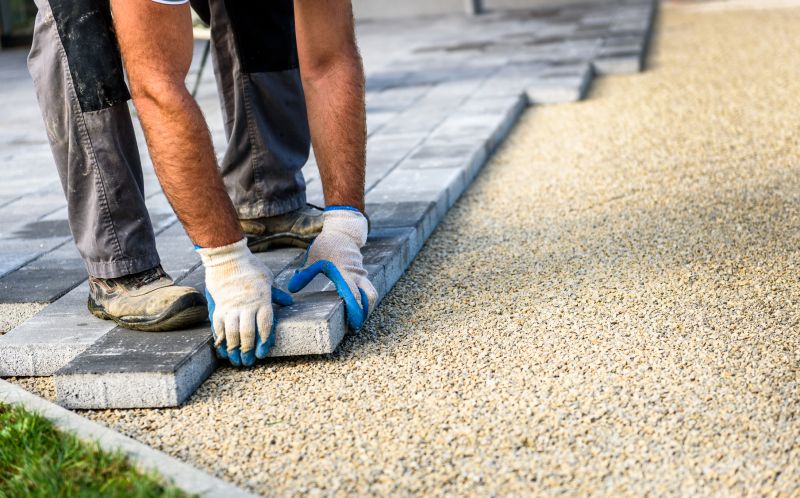
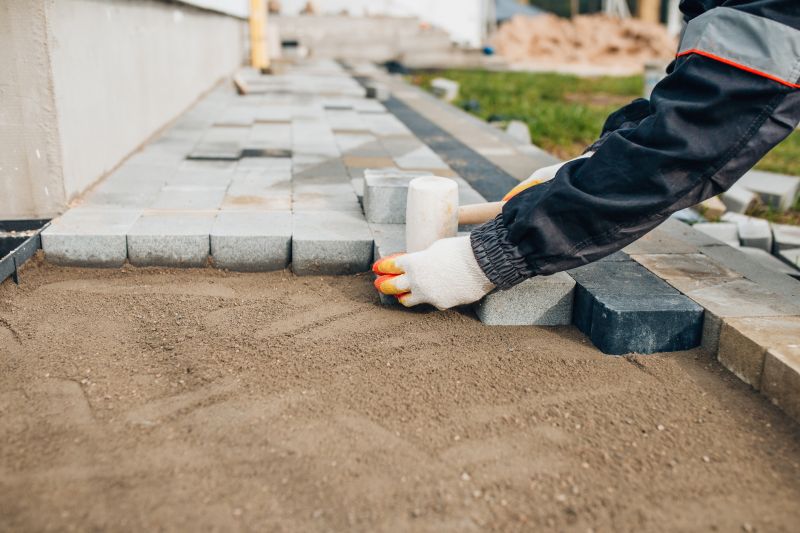
Proper base installation is essential for maintaining the stability of paver walkways and preventing shifting over time. Many property owners in the area seek out information on this topic because uneven or moving pavers can lead to tripping hazards, costly repairs, and the need for frequent maintenance. When local contractors ensure that the base is properly prepared-using the right materials, adequate compaction, and proper grading-it creates a solid foundation that supports the pavers and distributes weight evenly. This attention to detail helps pavers stay in place, even with regular foot traffic or exposure to seasonal changes.
For those considering paver installation, understanding how proper base installation prevents shifting paver walkways highlights the importance of choosing experienced service providers. Local professionals who focus on quality groundwork can assess the specific needs of a property and implement the correct techniques from the start. This proactive approach reduces the risk of future problems, saving property owners time and money while ensuring a durable, attractive walkway that remains level and secure for years to come.
How does proper base installation prevent paver walkways from shifting? Proper base installation creates a stable foundation that distributes weight evenly and minimizes movement, reducing the risk of shifting over time.
Why is selecting the right base material important for preventing shifting? The right base material provides adequate drainage and compaction, which helps maintain the integrity of the paver walkway and prevents settling or movement.
How do local contractors ensure the base is properly installed? Local contractors follow best practices by properly excavating, adding a suitable base material, and compacting it thoroughly before laying pavers, ensuring long-lasting stability.
Can improper base installation lead to future shifting of pavers? Yes, inadequate or poorly prepared bases can cause uneven settling and shifting, leading to an unstable walkway that may require repairs.
What role does proper base installation play in the overall durability of a paver walkway? Proper base installation is essential for durability because it provides a solid, level foundation that resists movement and maintains the walkway’s shape over time.
Proper site preparation involves clearing and leveling the ground to ensure a stable foundation for paver walkways, which local contractors can handle during installation. Using appropriate base materials like crushed stone or gravel helps prevent shifting by providing drainage and support, a task best managed by experienced service providers. Ensuring correct compaction techniques during base installation creates a solid, even surface that resists movement over time, which local pros can expertly perform. Applying proper edging and restraint systems keeps pavers in place and prevents lateral shifting, making it essential to work with professionals familiar with these methods.
If you are thinking about how proper base installation prevents shifting paver walkways for a property, this guide is meant to help you understand this topic, the typical project types, and how different options might fit your plans.
When you are ready, you can use the quote form on this page to share a few details about your project. From there, local pros can review the basics and follow up with options that match what you have in mind.